
Ocean freight in cross-border trade serves as a vital global transportation channel, offering greater cost advantages compared to air freight—especially for bulky items like three-door countertop beverage coolers. Shipping these to the U.S. is only feasible via sea freight. Of course, costs aren’t as straightforward as “all-inclusive pricing.” From pickup to delivery at U.S. retail locations, the process involves at least six stages, each with associated expenses. Hidden costs, in particular, are the most likely to cause budget overruns.
I. Initial Expenses: From Factory/Warehouse to Port
This covers foundational costs before sea freight, primarily focused on “delivering the cabinet to the port.” It consists of three core elements:
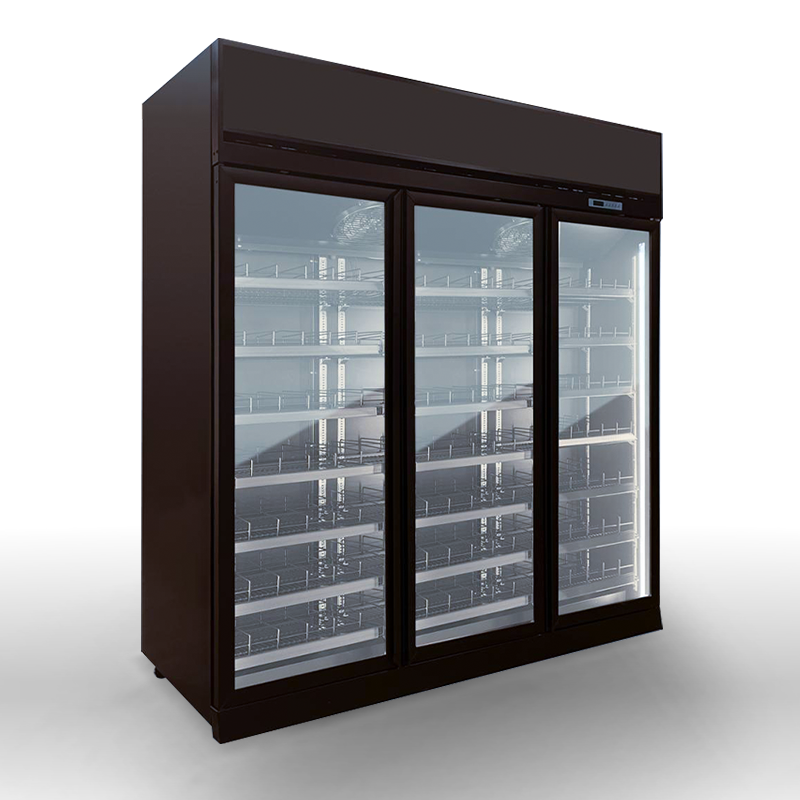
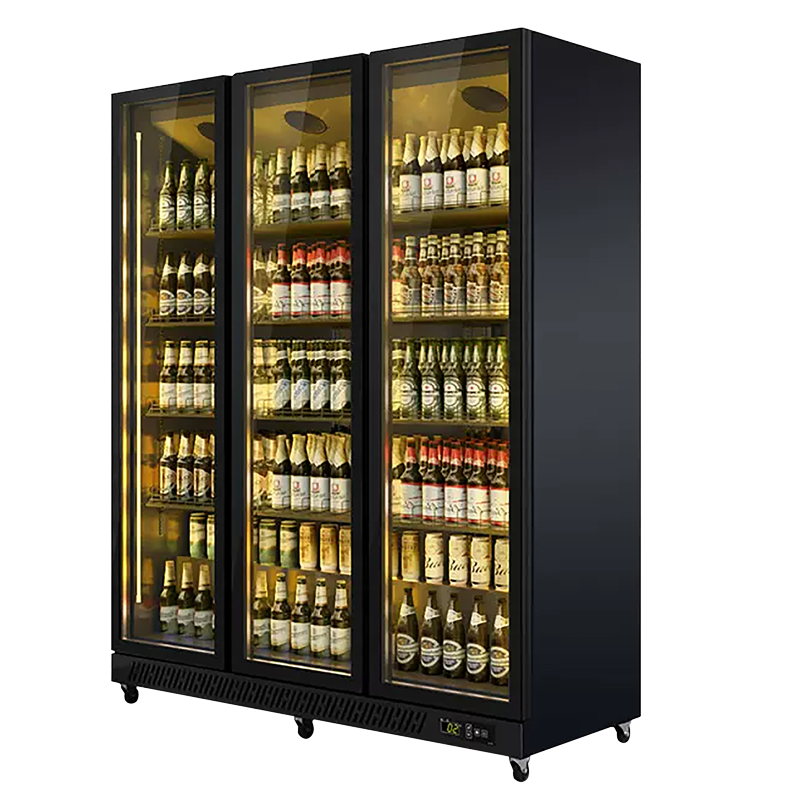
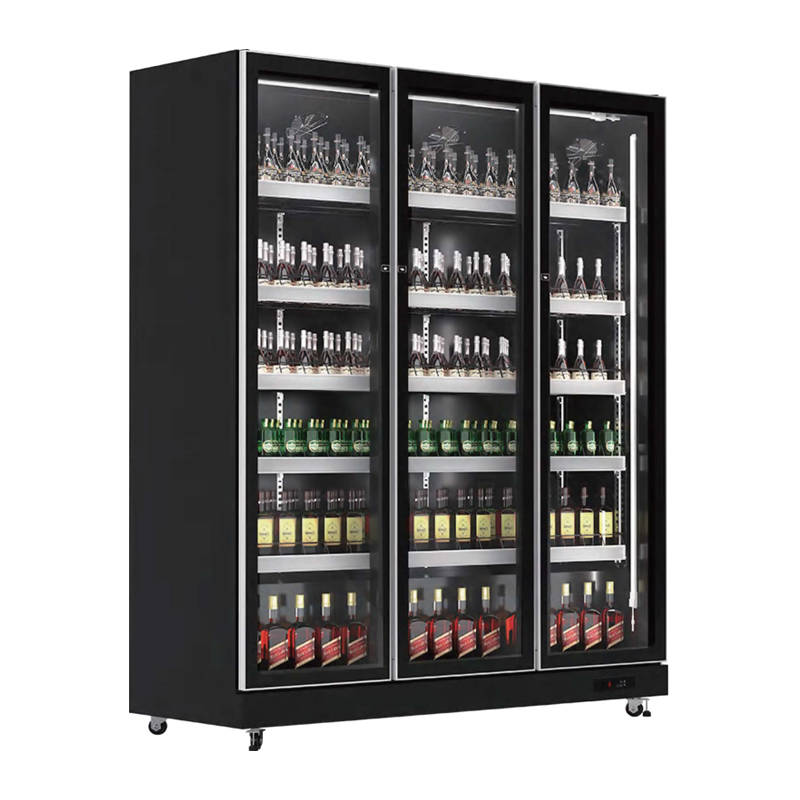
1. Pickup and Short-Haul Transportation Fees: If the cabinet is located at a domestic factory or private warehouse, arrange truck transport to the nearest port of origin (e.g., Ningbo, Shanghai, Shenzhen). A standard three-door beverage cabinet weighs approximately 200-300kg (440-660 lbs) and occupies about 2.2-2.5 cubic meters (74-84 cubic feet) (common dimensions: 180*70*190cm / 71*27*74 inches). Classified as light-bulky cargo, short-distance transport (e.g., within a 100km radius) typically costs ¥500-1500 (US$65-200), depending on distance and whether forklift loading/unloading is required (additional ¥200-500 / $27-70 per instance). . For long-distance shipping or delivery to U.S. inland ports, fumigated wooden pallets are recommended (U.S. regulations require fumigation for wooden packaging to avoid customs detention), adding 300-500 RMB/unit. Official certification after fumigation prevents customs clearance issues.
3. Port charges: Upon arrival at the port, additional fees apply for storage, booking, documentation, etc. Standard storage fees: ¥20-50/cubic meter/day (if goods arrive early and require temporary storage). Booking fees: ¥300-800/bill. Documentation fees (B/L, packing list, etc.): ¥200-500. Total estimated: ¥500-1500. Rates vary slightly by port.
II. Ocean Freight + Surcharges: The Most Volatile Component
This constitutes the largest portion of total shipping costs, with prices heavily influenced by seasonality, shipping lines, and transport methods. Two primary shipping options exist, each with distinct cost implications:
1. Less-than-container load (LCL) shipping: Suitable for shipping only 1-2 standard containers when a full container is unnecessary. Billing is based on “volume” (light/bulky goods are not weighed). A standard 3-door container has a volume of approximately 2.3 cubic meters. Current market LCL rates range from 800-1500 RMB/cubic meter, resulting in ocean freight costs per container of approximately 1840-3450 RMB. Note: LCL involves “consolidation fees” (500-1000 RMB per shipment) and “destination port unloading fees” (discussed later). Confirm these costs with your freight forwarder in advance.
2. Full Container Load (FCL): More cost-effective for larger shipments (e.g., 5+ units). For a standard 20-foot GP container (holding approx. 28 cubic meters), ocean freight costs around $2,000–4,000 per container (equivalent to ¥14,000–28,000 RMB). This averages to ¥500–1,000 per upright cabinet, significantly cheaper than LCL. However, the minimum shipment requirement per container is higher.
3. Mandatory Surcharges: These “hidden costs” are often overlooked, primarily including Bunker Adjustment Factor (BAF) and Currency Adjustment Factor (CAF), which together account for about 10%-20% of the ocean freight cost. During peak seasons (e.g., the three months before Christmas in the U.S.), shipping lines impose Peak Season Surcharge (PSS), typically $500-$2,000 per shipment. Additionally, ocean freight rates vary significantly between different U.S. destination ports (e.g., Los Angeles, New York, Houston). The Port of Los Angeles is the most established and offers relatively lower prices, while the Port of New York is typically 10%-15% more expensive.
III. Customs Clearance + Container Pickup: Costly and Prone to Issues
Upon arrival at a U.S. port, goods cannot be picked up immediately. This process involves complex costs and customs regulations, and mishandling may incur additional penalties:
1. Customs clearance fees: Must be handled by a local U.S. customs broker, costing approximately $200–500 per shipment (equivalent to RMB 1,400–3,500), including declaration fees and customs processing charges. Note: Three-door beverage refrigerators are classified as appliances and require FDA certification (mandatory for U.S. food contact appliances) and a Certificate of Origin. Missing either document may trigger an inspection, incurring additional fees of $300–1000 (if unlucky).
2. Port charges: Including Terminal Handling Charges (THC), documentation fees, and Automated Manifest System (AMS) fees, totaling approximately $300–800 per shipment (RMB 2,100–5,600). For LCL (less than container load) shipments, an additional demurrage fee ($200–500 per shipment) applies; FCL (full container load) shipments do not incur this charge.
3. Container Pickup and Inland Transportation Fees: After customs clearance, containers must be picked up from the terminal and delivered to the destination. For Los Angeles as the destination port, container pickup fees are approximately $100–300 per trip. Long-haul transportation from the port to U.S. inland cities (e.g., Chicago, Dallas) costs approximately $1–2 per mile. For example, shipping from Los Angeles to Chicago (about 2,000 miles) incurs transportation fees of $2,000–4,000 (RMB 14,000–28,000). If delivered to a downtown store, an additional urban delivery fee ($300–800) applies.
IV. Insurance + Taxes: Avoiding Unexpected Financial Losses
While not strictly “transportation costs,” these are essential “protection expenses” that carry significant risk if omitted:
1. Marine Insurance: Calculated at 0.3%-0.8% of the goods’ value. For a three-door beverage cabinet valued at approximately ¥5,000-10,000 per unit, insurance costs around ¥15-80 per unit. Purchase is strongly recommended. It covers claims for losses due to storms, groundings, or cargo damage during shipping; otherwise, you bear the full cost.
2. U.S. Import Duties: Beverage coolers are classified as “refrigeration equipment.” The corresponding U.S. Harmonized System (HS) code carries a duty rate of approximately 2.5%-5% (subject to final customs classification). Calculated based on value, for example, a unit valued at ¥8,000 incurs duties of about ¥200-400 per unit. Additionally, some states levy sales tax (6%-10%), such as California and New York. Verify the destination state’s policies in advance.
V. Hidden Costs Most Prone to Overspending
1. Demurrage/Dredge Fees: If goods remain unclaimed at the port for over 7 days after arrival, demurrage fees apply ($50–200/day). For full container loads (FCL), failing to return the container within the carrier’s specified timeframe (typically 7–14 days) incurs dredge fees ($30–100/day). These costs escalate with delay, so ensure customs clearance preparations are completed in advance.
2. Packaging Non-Compliance Rework Fees: If wooden pallets lack fumigation or packaging is insufficiently secure, causing cargo damage, U.S. Customs may mandate rework. This incurs fees of approximately $500–$2,000 per instance and causes significant delays.
3. Freight forwarder surcharges: When selecting a freight forwarder, clearly inquire about “all-inclusive pricing” and “excluded fees” to avoid unexpected charges like “handling fees” or “expedited fees” mid-process. It is advisable to sign a written contract specifying all cost details.
In summary, shipping one 3-door beverage cabinet to the U.S. (Los Angeles as an example) incurs total costs of approximately ¥12,000–20,000 (covering domestic handling, ocean freight, customs clearance, and U.S. inland short-haul transport). Costs increase by 30%–50% for delivery to inland U.S. cities. Plan 1-2 months in advance, select a reliable freight forwarder, clarify all fees, and prepare complete customs clearance documents to avoid budget overruns and customs detention risks.
Post time: Dec-29-2025 Views: